Introduction
Ventilation training has become a vital facet of healthcare education, particularly due to the boosting dependence on mechanical air flow in professional setups. As technology develops, so too must the approaches by which medical care professionals are trained to run ventilators effectively. This write-up looks into The Future of Ventilator Training: Innovations in Education And Learning and Practice, checking out current trends, emerging modern technologies, and cutting-edge strategies to education and learning that can improve the skills and competencies of health care providers.
What is Ventilator Support?
Ventilator assistance is a medical intervention used to help or change spontaneous breathing in individuals that are not able to breathe appropriately by themselves. This can be due to numerous conditions such as breathing failing, neuromuscular conditions, or extreme infections like COVID-19. Recognizing just how ventilators operate is important for health care professionals, especially registered nurses and respiratory therapists involved in ventilation training courses
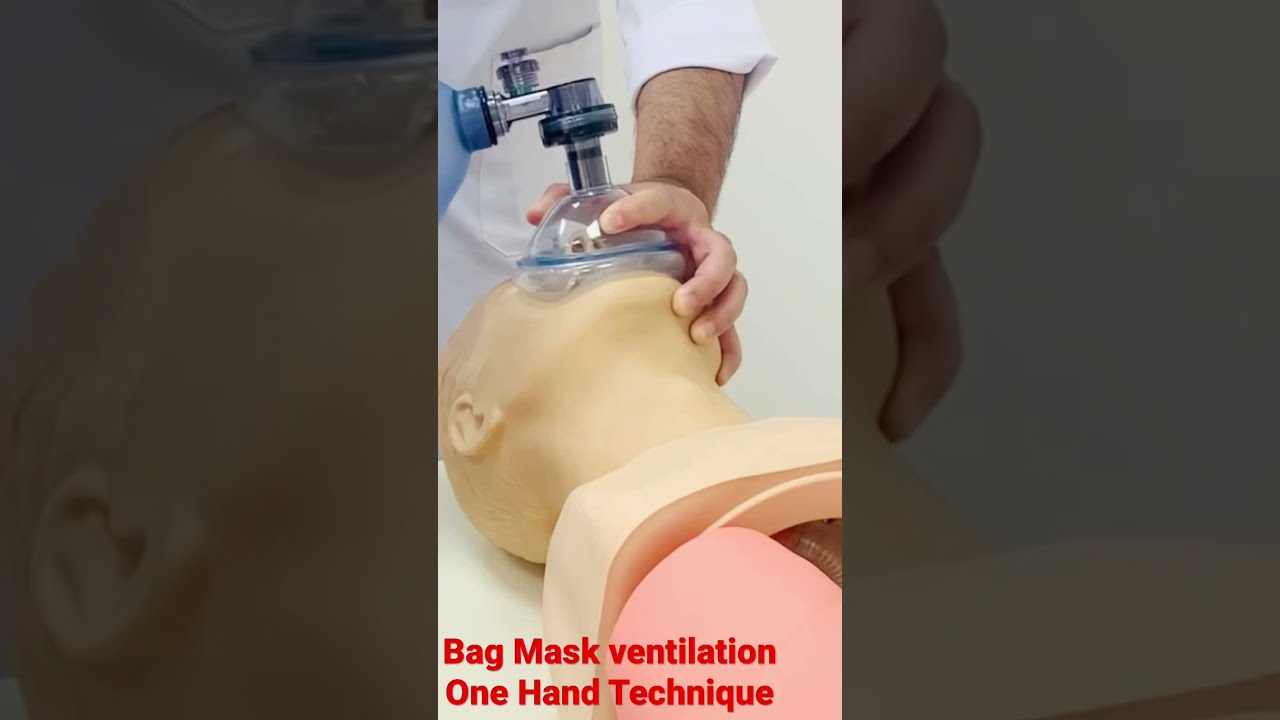
Understanding Mechanical Ventilation
Mechanical ventilation includes delivering breaths through a device called a ventilator. It can be identified into numerous settings, including:
- Assist-Control (A/C): The ventilator provides a preset number of breaths per minute while enabling the patient to launch added breaths. Synchronized Recurring Necessary Air flow (SIMV): This mode permits people to take a breath spontaneously in between mechanical breaths. Pressure Assistance Ventilation (PSV): The ventilator supplies a pre-set stress throughout spontaneous breaths.
Each setting has certain indicators based upon individual needs, making it necessary for professionals to recognize the subtleties of each one.
The Relevance of Basic Ventilator Course
A standard ventilator program works as the foundation for understanding mechanical air flow. These programs aim to gear up participants with expertise concerning:
- The makeup and physiology appropriate to air passage management. How different kinds of ventilators work. Best methods for monitoring individual responses.
Who Must Enroll?
Healthcare providers such as nurses, breathing specialists, and emergency medical technicians (Emergency medical technicians) will greatly gain from joining these courses.
Course Structure
Typically, a standard ventilator course includes both theoretical knowledge and sensible abilities training. Individuals engage in hands-on simulations that mimic real-life circumstances involving respiratory tract management and air flow strategies.
Ventilator Training for Registered nurses: Bridging Understanding Gaps
Nurses play an important function in managing clients on mechanical air flow. Thus, specialized training programs concentrate specifically on the demands of nursing professionals.
Key Components of Nurse-Focused Training
Airway Management: Strategies for protecting respiratory tracts safely. Ventilator Settings: Comprehending how changes influence patient outcomes. Monitoring Parameters: Discovering what crucial indicators suggest effective ventilation.Why Is This Necessary?
Given that nurses commonly spend one of the most time with people on ventilators, correct education and learning furnishes them with needed skills to react promptly to complications or adjustments in person condition.
Innovations in Ventilation Training Courses
Education is evolving rapidly as a result of technological developments. Here's how advancements are forming the future of ventilation training courses:
Simulation-Based Learning
Simulation-based training uses reasonable scenarios where participants can practice their abilities without threat to actual clients. This approach boosts retention and confidence amongst trainees.
Benefits:
- Real-time feedback Safe discovering environment Opportunities for repeated practice
Online Learning Platforms
With the rise of telehealth and online education and learning, lots of organizations now supply digital courses focusing on ventilation management.
Advantages:
- Flexibility for hectic professionals Access to a wider range of resources Opportunities for interactive discussions globally
Tracheostomy and Ventilator Training: Specialized Skills Development
Tracheostomy treatment is one more essential element frequently linked with ventilator management. Specialized training makes sure that healthcare providers are fully equipped for this complicated procedure.

Key Training Elements
Indications for Tracheostomy: Comprehending when this procedure comes to be necessary. Care Protocols: Learning just how to clean up and maintain tracheostomy sites safely. Ventilator Changes Post-Tracheostomy: Adapting settings based on transformed airway anatomy.Integration right into Current Practices
Incorporating tracheostomy treatment into existing ventilator training improves general expertise amongst clinicians handling people calling for long term ventilation support.
Airway Management and Ventilation Strategies
Effective airway monitoring is crucial for successful ventilation end results. Clinicians have to create thorough techniques including both procedural methods and decision-making frameworks.
Common Air passage Interventions
Oropharyngeal Airway Insertion Nasopharyngeal Air passage Placement Endotracheal Intubation ProceduresThese treatments need not just technological skill however additionally situational awareness relating to person conditions-- making complete training indispensable.
The Function of NDIS Ventilation Training Courses
The National Special needs Insurance Scheme (NDIS) offers vital support services, including specialized ventilation training aimed at caregivers collaborating with people that have intricate wellness needs pertaining to respiratory function.
Features of NDIS Air flow Training
Tailored material details to specific client needs. Emphasis on practical demos along with theoretical education. Focus on family participation during care routines.Why Do Caregivers Need This Training?
Caregivers commonly manage tools while making sure comfort and security for customers; therefore specialized training encourages them with durable knowledge about utilizing ventilators correctly.
Emerging Technologies in Respiratory tract Management & Air Flow Education
As innovation advancements, brand-new tools arise that boost instructional methods within airway administration and mechanical ventilation areas:
1. Virtual Truth Simulations
Virtual fact (VR) offers immersive experiences allowing learners to practice treatments over and over again without real-world effects-- changing basic knowing settings into appealing platforms that foster skill purchase efficiently.
Pros:
- Enhanced interaction levels Realistic decision-making scenarios
2. Expert System Tools
Integrating AI into instructional structures permits customized learning experiences tailored according to individual development prices-- developing extra reliable pathways towards proficiency over critical abilities such as operating complicated tools like ventilators accurately under different conditions encountered daily by experts throughout diverse settings worldwide!

FAQs concerning Ventilator Training
1. What should I anticipate from a fundamental ventilator course?
A standard ventilator program normally covers essential principles like makeup pertinent to ventilation, types of mechanical ventilators readily available today in addition to hands-on practice created particularly around usual professional situations experienced frequently by wellness specialists everywhere!
2. That takes advantage of participating in ventilation training courses?
Healthcare suppliers-- consisting of registered nurses, respiratory therapists & & emergency medical technician workers-- will get beneficial understandings through targeted instruction focused on boosting proficiencies surrounding risk-free use practices!
3 What areas does tracheostomy & & ventilator training cover?
This specialized curriculum stresses both procedural techniques ensuring safe insertion/removal treatments along with best-practice procedures concerning ongoing care called for post-tracheostomy surgery!
4 Can I take on-line courses focused exclusively on airway management?
Absolutely! Lots of institutions now supply flexible virtual options covering everything from basic principles through advanced techniques connecting directly toward taking care of air passages efficiently while using modern technology like video conferencing platforms enabling more comprehensive engagement possibilities than ever before before!
5 Why is simulation-based knowing getting popularity?
Simulation-based learning promotes hands-on experience within controlled environments where students can make errors without taking the chance of person safety and security-- thus cultivating confidence/competence degrees needed when dealing with real-world obstacles head-on later down their careers!
6 Exist any qualification programs available after completing these courses?
Yes! Many respectable organizations give qualification upon successful https://jaidenkziu017.fotosdefrases.com/why-every-nurse-needs-to-buy-ventilation-training-courses conclusion validating your recently gotten skill set which you may use when looking for job opportunity within this expanding field!
Conclusion
In verdict, as we look towards The Future of Ventilator Training: Advancements in Education and Practice, it's evident that advancements in modern technology paired with an enhanced focus on specialized education and learning are essentially improving how healthcare experts obtain important skills related airflow monitoring methods & & operating advanced gadgets effectively throughout defining moments influencing lives daily! By investing time/resources towards improving educational program encompassing everything from standard principles basic ventilator concepts training with innovative approaches customized especially around unique person populaces needing exact interventions-- the entire medical area stands positioned ready deal with future obstacles head-on armed factually educated viewpoints equipping them navigate intricacies fundamental within today's vibrant landscape bordering breathing care successfully!